

Restoring Functionality with Expert Garage Door Repairs
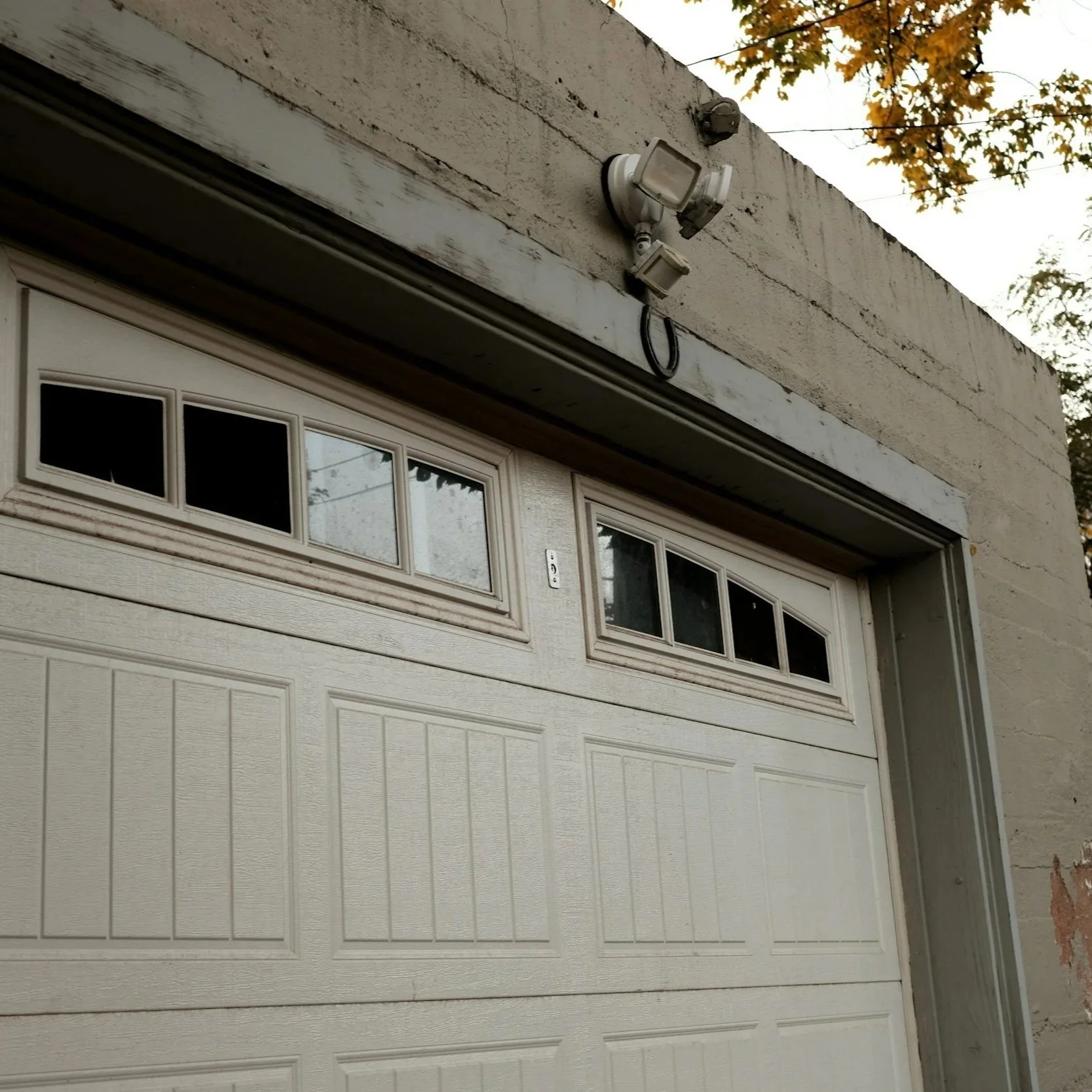
When springs snap, rollers squeal, or openers lose their will to work, garage door repair turns into an urgent mission.
Garage doors are the unsung heroes of home convenience. They open, close, and usually do it without fuss—until the day they don't. Suddenly, that reliable slab of wood, steel, or aluminum turns into a stubborn obstacle. When springs snap, rollers squeal, or openers lose their will to work, garage door repair turns into an urgent mission.
Professional services step into the chaos with a toolbox of experience and a calming sense of "we've seen worse." Restoring functionality isn't just about making the door go up and down again. It's about understanding what went wrong, fixing it with precision, and making sure the entire system works smoothly and safely.
Diagnosing More Than the Obvious
When a garage door malfunctions, the issue isn't always where the noise is. A creaky panel may be hiding a bent track. A sluggish opener might be reacting to a poorly balanced door. Professionals know where to look—and more importantly, what to listen for.
It's not unusual for a homeowner to call in a panic about a door that won't budge, only to discover a frayed cable or a cracked bracket is quietly to blame. Professional repair services go beyond the surface, performing a comprehensive inspection of all moving parts—springs, rollers, hinges, tracks, sensors, and opener units.
Spotting issues early can prevent costly damage later. A worn bearing or loose chain might work fine today, but could lead to complete system failure within weeks. Professionals catch these details before they snowball.
Spring Failures Deserve Respect
Garage door springs are under severe tension. When they break, they do it with a bang—and occasionally, a dramatic slam. Torsion and extension springs are both critical to the door's operation, and neither should be approached casually.
Professionals are trained to replace springs without injury, without damage to the door, and without swearing loudly in the driveway. They use the correct tools to safely wind or unwind tension and match new springs to the exact weight and dimensions of the door.
Mismatched springs can cause uneven movement, excessive wear on the opener, or even leave the door permanently lopsided. Repairs done right mean a balanced, responsive door that won't pull to one side like it has a grudge.
Roller and Hinge Woes That Need the Right Touch
A noisy garage door usually signals trouble with the rollers or hinges. When rollers start sticking or grinding, the door begins to sound like a haunted drawbridge. Hinges that rattle or crack can cause jerky movement, misalignment, or a general sense of garage-door grumpiness.
Professionals identify whether rollers need lubrication, replacement, or a different type altogether. Nylon rollers may offer a quieter ride than metal rollers, and sealed bearings reduce long-term maintenance. Hinges are checked for fatigue, rust, or missing fasteners.
It's not just about swapping parts—it's about choosing the right components for the specific door, home environment, and usage pattern. A double-door on a windy hill needs different hardware than a single-panel door in a shaded suburb.
Track Adjustments That Prevent Total Meltdown
Misaligned tracks may sound like a minor issue until the door jams halfway open during a morning rush. Tracks keep the door aligned and moving smoothly. Even a slight shift can cause scraping, uneven wear, or worse, a complete derailment.
Professionals realign tracks with precision levels and proper spacing to match the door's travel path. They don't just eyeball it and call it close enough. Bent sections may be straightened, but seriously damaged ones require replacement—done cleanly without twisting the frame like a pretzel.
They also check for obstructions, corrosion, or improper mounting that may have caused the misalignment in the first place. It's never just a cosmetic fix. It's structural triage.
Opener Troubles That Don't End with Rebooting
Garage door openers often take the blame when the door won't move. But not every opener problem is electrical. A worn gear, a frayed belt, or a dirty sensor could be the real culprit.
Professionals troubleshoot opener issues by testing the motor, examining the drive system, and verifying the logic board. They recalibrate the force settings, limit switches, and remote communication to restore responsiveness.
If the opener is truly beyond repair—or older than some streaming services allow—professionals recommend replacing it with one that matches the door's weight and size. Installation includes mounting, wiring, syncing remotes, and making sure the new system hums quietly instead of clunking like a vending machine.
Sensor Misalignment That Drives Everyone Crazy
Safety sensors near the bottom of the door are supposed to protect feet, pets, and rogue basketballs. But when they misalign, the door refuses to close—and flashes its lights in protest.
Professionals deal with sensor drama more often than most would guess. They realign brackets, clean lenses, secure wires, and verify connections. A garage door that thinks a shadow is a threat becomes far less stubborn with a sensor system tuned by someone who knows what they're doing.
Better yet, they explain how sensors should behave so homeowners don't fall into the classic "kick it until it works" routine.
Cables That Don't Appreciate Improvisation
Garage door cables are wound under tension and connected to the spring system. When one frays or snaps, the door may droop on one side, or worse, go completely off track. It's not a good time for trial and error.
Professionals replace cables with matching gauge and length, threading them into the drums or pulleys with the right tension. One wrong move and the door could slam shut—or leap off its tracks like it's auditioning for an action movie.
They also inspect drums and pulleys for damage or misalignment that may have stressed the cables in the first place. If anything is starting to wear unevenly, they fix it before it turns into a sequel.
Weatherstripping That Keeps the Outside Where It Belongs
A small strip of rubber at the bottom of the garage door might not look like a big deal, but when it wears out, wind, water, and critters suddenly get VIP access.
Professionals replace weatherstripping to maintain a tight seal without compromising door movement. They choose the right width and profile based on the floor surface and door material. Whether it's a bulb-style seal or a vinyl gasket, it needs to compress correctly without dragging or binding.
While they're at it, they'll usually check side and top seals too. Because garage door repair isn't just about movement—it's about keeping the interior protected from the elements and whatever's crawling around outside.
Hardware Tightening That Shouldn't Be Overlooked
Garage doors shake, rattle, and roll—literally. All that movement gradually loosens nuts, bolts, and brackets. Left unchecked, it can lead to noisy operation or even structural damage.
Professionals tighten every fastener with a practiced rhythm, using torque that's strong enough to hold but not so tight as to damage the material. It's a small detail that makes a big difference.
They also look for signs of fatigue in mounting brackets or anchor points, especially if the door has been used a lot over the years. Preventive care keeps future repairs smaller and less dramatic.
Maintenance That Makes Everything Last Longer
Garage doors don't need constant attention, but they appreciate the occasional checkup. Professional repair services often include maintenance plans that cover regular inspections, lubrication, adjustments, and part replacement.
It's not about fixing what's broken—it's about preventing breakdowns altogether. Just like cars need oil changes, garage doors need tune-ups to stay quiet, safe, and dependable.
Professionals know when to re-lubricate a hinge versus when to replace it. They recognize when a small dent could lead to a misaligned track or when an opener is working harder than it should. They bring experience, judgment, and tools that never panic in the face of a crooked panel.
Garage doors may not be glamorous, but when they fail, they demand attention fast. Professional repair services offer more than a quick fix—they provide a confident return to normal. One smooth, quiet cycle at a time.
