

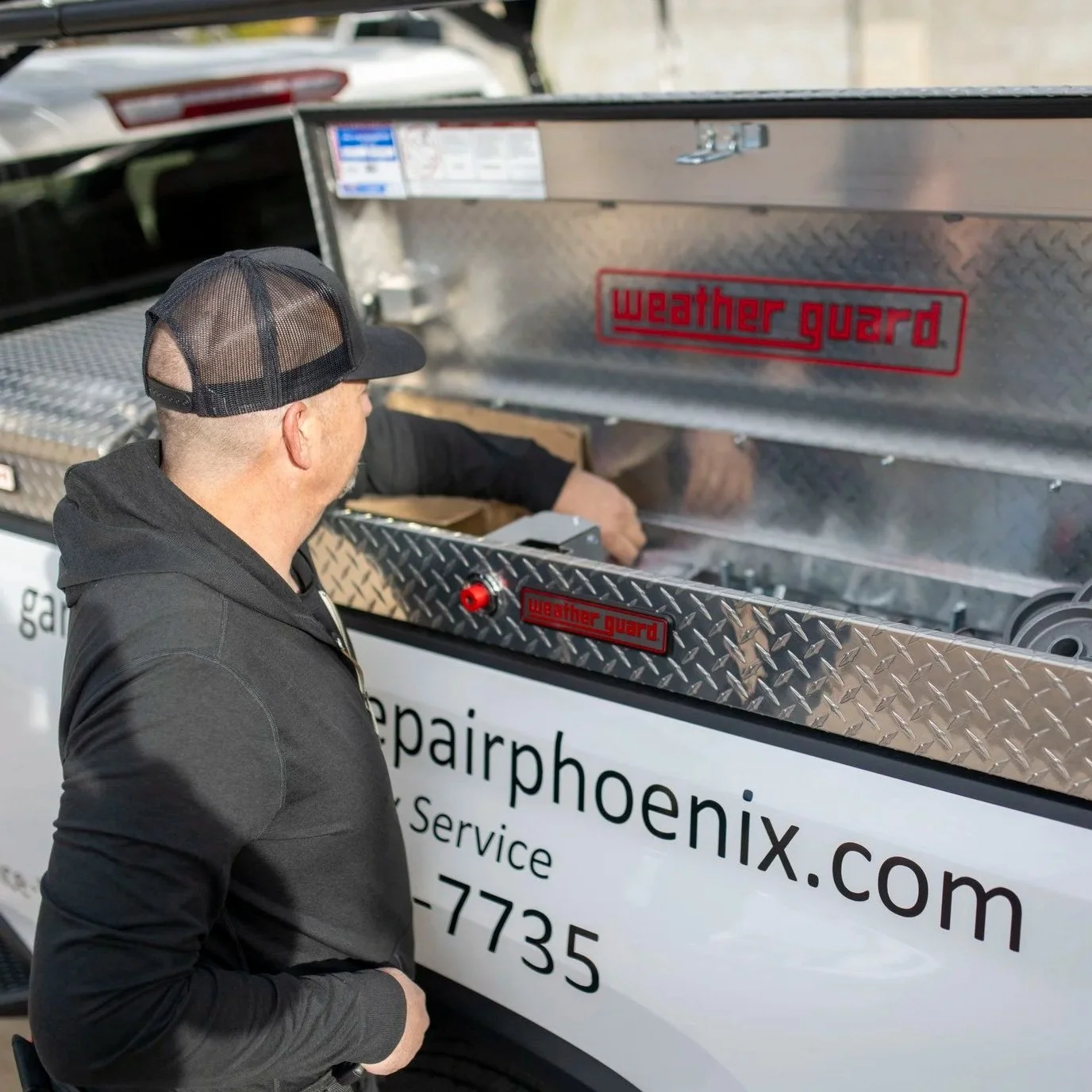
When garage door springs fail, they do not do it gracefully.
Garage door springs may not be the flashiest components on a house, but they are definitely the most underappreciated. Tucked away above the garage opening or along the sides of the tracks, these hardworking pieces of metal quietly handle hundreds of pounds of weight every day. Each time the door opens or closes, those springs are doing the heavy lifting. Without them, a garage door is nothing more than an expensive wall.
When garage door springs fail, they do not do it gracefully. One minute, everything works fine, and the next, the door won’t budge, the opener groans in defeat, or a very loud snap echoes through the garage. Homeowners might be tempted to grab a wrench and look up a video, but that path leads straight into dangerous territory. Replacing springs is not a hobby. It is a high-tension, high-risk task that belongs in the hands of garage door professionals.
How Garage Door Springs Work
Garage doors are heavier than they look. Even lightweight models can weigh over 100 pounds, and older wooden doors may tip the scale at 300 pounds or more. Springs take on the job of counterbalancing that weight. They store mechanical energy when wound and release it to assist in lifting the door. That is why even a child can open a properly functioning garage door by hand.
There are two main types of springs doing all this hard work: torsion springs and extension springs. Torsion springs sit horizontally above the garage door, mounted on a metal shaft. When the door closes, they wind up tightly. When it opens, they unwind, helping to lift the door with controlled force. Torsion springs tend to be more durable and efficient. They also provide smoother operation and better balance.
Extension springs, by contrast, run along the sides of the door, expanding and contracting with each opening and closing. While they are effective, they operate under higher stress and are more prone to sudden failure. A snapped extension spring can recoil like a slingshot if it is not contained by a safety cable.
Garage door repair experts understand both types, know when one is preferable over the other, and can maintain or replace them based on each door’s unique specifications.
Recognizing When Springs are on Their Way Out
Garage door springs do not last forever. Most are rated for a certain number of cycles, with one cycle meaning one full open and close. The average garage door sees two to four cycles per day, depending on household routines. Over the years, that adds up.
When springs start to fail, the signs can be subtle at first. A door might begin to feel heavier. The opener might sound like it is straining more than usual. Sometimes, the door hesitates during operation or closes with a surprising thud. These are early warnings that the springs are losing tension.
Noises can also signal trouble. Creaks, groans, pops, and squeaks may all indicate that springs are fatigued, misaligned, or wearing out unevenly. Waiting until a spring snaps is not the recommended timeline for action. Regular inspections from a garage door company can detect these issues early and prevent an emergency garage door repair situation.
Why Spring Replacement Should Never Be a DIY Task
Let’s be honest. YouTube makes a lot of things look doable. Replacing garage door springs is not one of them. These components operate under extreme tension, and when that tension is released the wrong way, it is not just inconvenient—it is dangerous.
A tightly wound torsion spring can unleash enough force to bend tools, damage walls, and send metal parts flying. Inexperienced attempts often lead to injury or significant property damage. Extension springs, while slightly less intimidating, can still turn into projectiles if disconnected improperly.
A professional garage door installation and repair technician knows how to release tension safely, measure the door’s weight correctly, and install the right type of spring with the right number of coils. They bring specialized tools for winding and adjusting tension and know how to fine-tune the system so the door operates with proper balance.
Homeowners should never feel bad about calling a pro. It is not a question of skill—it is a question of safety.
Matching the right spring to the right door
Garage doors are not one-size-fits-all. Neither are the springs. Using the wrong spring on a door is like putting the wrong tires on a car. It might roll, but it may not handle well and certainly may not last. The type of spring, the wire gauge, the length, and the number of turns all play a role in determining how well the system functions.
A garage door company uses precise measurements and load calculations to determine the correct spring configuration. The technician considers the weight of the door, the type of panels, the hardware used, and even the type of garage door opener installed. A heavier steel door with insulation may need more support than a lightweight aluminum panel.
Choosing high-quality springs also matters. Cheap parts fail faster and can cause strain on other components. Residential garage door services that use durable, long-lasting materials save clients time, money, and frustration.
The Importance of Maintenance
Springs do not need constant attention, but a little care goes a long way. Routine maintenance from a garage door repair professional extends the lifespan of the entire system. Lubrication is one of the easiest and most effective ways to reduce wear. Proper lubricant keeps the coils moving smoothly and prevents metal-on-metal friction that leads to fatigue.
Balance checks are also important. If the door is not aligned properly or starts to drift, the springs may be compensating more than they should. That kind of imbalance puts unnecessary strain on the whole mechanism.
During a service call, technicians inspect springs, check the alignment of the tracks, tighten hardware, and test the opener. Small adjustments made during these visits prevent big problems later. Think of it like a tune-up for your garage door—it is much easier to maintain a well-functioning system than to fix a broken one.
What Happens When Spring Problems are Ignored
Ignoring signs of spring trouble might not seem like a big deal at first. After all, if the door still opens, what is the rush? But springs rarely fail at convenient times. More often than not, they give out when someone is in a hurry to leave the house or has just pulled into the garage during a downpour.
When a spring snaps, the garage door often becomes inoperable. Depending on the setup, it may not open at all. Vehicles can be trapped, and the opener may strain until it gives out, too. Cables, rollers, and brackets can also suffer collateral damage.
Emergency garage door repair usually involves more than just the spring at that point. Preventing that kind of chain reaction saves homeowners money and hassle. Replacing worn springs before they break is a smart investment in the system’s overall health.
When Spring Replacement Leads to Full Garage Door Upgrades
Sometimes, during a spring replacement, a technician may notice other components reaching the end of their lifespan. A door that has warped panels, rusting hardware, or outdated tracks might be a candidate for garage door replacement. Rather than continuing to patch up an old door, many homeowners opt to upgrade the entire system.
Garage door installation services include the installation of new springs, openers, tracks, and panels, all customized to the home’s current layout and needs. Modern doors offer better insulation, quieter operation, and enhanced safety features. Upgrading the door also increases curb appeal and property value.
Homeowners who invest in a new garage door installation often notice an immediate improvement in performance. The door operates smoothly, responds quickly, and puts less strain on every part of the system. It is a fresh start with fewer future repairs.
Openers Deserve Attention, Too
Garage door opener installation plays a key role in how well the springs perform. A powerful but misaligned opener can create stress points that wear down springs prematurely. A weak opener may rely too heavily on the springs to do the work. Matching the right opener with the right spring setup guarantees balanced performance.
Modern openers include features like soft start and stop, smart home integration, and built-in safety sensors. These upgrades protect the entire system and make daily use more convenient.
When garage door replacement or opener installation is part of the spring repair conversation, professionals help homeowners weigh the options. The goal is always long-term reliability, safety, and value.
Putting Safety First with Every Repair
Garage doors are deceptively simple. From the outside, they go up and down with the press of a button. Behind the scenes, though, they rely on a system of springs, cables, pulleys, and openers all working in perfect harmony. When one part fails, it affects the entire system.
Garage door professionals put safety first. They understand the risks, carry the proper equipment, and follow tested procedures. They also know how to spot issues before they turn into emergencies.
Whether it is a spring that needs replacing, an opener that is acting up, or a full garage door installation, trusting the job to an expert guarantees peace of mind.
A Lasting Investment in Home Comfort and Convenience
Garage door springs may be small, but they carry a lot of responsibility. Keeping them in good shape means fewer breakdowns, smoother operation, and better overall performance. Replacing them when needed, and doing so with the help of residential garage door services, is the smartest way to maintain a safe and reliable home.
Spring replacement is not a do-it-yourself adventure. It is a precision job for trained professionals who understand the complexity of modern garage doors. With the right team, the right parts, and the right maintenance, garage doors stay functional and dependable year after year.
